The Neve 1073 Tube-Tech CL1B Vocal Chain in Every Room
Weddington Studios · July 31, 2026
Walk into almost any big-budget vocal session in Los Angeles and the signal path looks the same: a great microphone into a Neve 1073 preamp, into a Tube-Tech CL1B compressor, into Pro Tools. Engineers call it the money chain. It is what major-label vocals get tracked through, and it is a big part of why those records sound expensive before mixing even starts.
At Weddington Studios in North Hollywood, that exact Neve 1073 and Tube-Tech CL1B vocal chain runs in every room. Not just the flagship. Every room, including the Vault at $20 an hour. Here is what each piece actually does to your voice, in plain language, and why it matters more than almost anything else in the building.
What a Vocal Chain Actually Is
Your vocal chain is the path your voice travels before it becomes a recording: the microphone that captures the performance, the preamp that raises it to a usable level, the compressor that controls it, and the converter that turns it into audio inside Pro Tools. Every stage leaves a fingerprint. By the time you hear yourself in the headphones, your voice has already been shaped four times.
That is why engineers obsess over chains. The mic decides the character, the preamp decides the weight, and the compressor decides the control. Plugins come later, and they matter, but they can only work with what the chain captured. A thin, brittle recording stays thin and brittle under a thousand dollars of plugins. A full, controlled recording takes every plugin beautifully.
The Neve 1073: Weight and Harmonic Thickness
The Neve 1073 is arguably the most famous preamp in music history. Designed by Rupert Neve in 1970 for the recording consoles of that era, it has been the front end for decades of classic records across rock, soul, R&B, and hip-hop, and vintage units still sell for serious money. Every room here runs the 1073LB, the modern module built on that same design.
What it does to a vocal is simple to hear and hard to fake: weight. The 1073's transformers add harmonic thickness as they amplify, a gentle saturation that makes a voice sound bigger, warmer, and more present without ever sounding processed. It is the difference between a vocal that floats on top of a beat and a vocal that sounds fused to it. When people say a record sounds expensive, this is a large part of what they are hearing.
The Tube-Tech CL1B: Compression That Rides, Not Chokes
After the 1073, your voice hits the Tube-Tech CL1B, a Danish tube optical compressor that has become the standard vocal compressor in hip-hop and R&B. If you have heard a modern vocal that stays perfectly level, every word clear, from a whisper to an ad-lib, there is a good chance a CL1B was riding it.
Compression evens out volume, but how a compressor does it is everything. Cheap compression grabs hard and lets go abruptly, which chokes a performance and pumps on loud phrases. The CL1B's optical circuit responds more like a careful engineer riding a fader: it eases the loud moments down and lifts the quiet details up, smoothly, with tube warmth instead of harshness. Your dynamics still feel alive. Nothing gets flattened. It all just becomes audible.
Why the Chain Comes Before the Plugins
Here is the part most artists learn the expensive way: the chain is printed. Whatever the 1073 and CL1B do to your voice happens on the way into Pro Tools and becomes part of the recording itself. Plugins process the recording afterward. They can emulate a 1073 or a CL1B, and some emulations are genuinely good, but an emulation of analog weight applied to a thin capture is a costume. The real thing on the way in is the body underneath.
A good chain also makes your sessions faster and cheaper. Vocals tracked through this chain arrive at the mix already thick and controlled, so mixing takes fewer hours and fewer revisions. You are not paying an engineer to rescue a capture. You are paying them to finish one.
The Plugin Suite Finishes the Job
The chain gets the capture right. The plugin suite handles everything after: tuning, timing, effects, and mix polish. Every room runs the same full suite in Pro Tools 2024 on a Mac Pro with 64GB of RAM, so nothing about your session changes based on which room you booked. The highlights:
- Antares Auto-Tune Unlimited and Melodyne, from transparent pitch correction to full effect
- Waves Mercury and the SSL bundles, the workhorse mixing collection
- FabFilter Pro for surgical EQ and dynamics
- SoundToys 5.3 and Valhalla Vintage FX for delays, texture, and reverbs
- Cradle God Particle, Plugin Alliance, IK Multimedia, and UAD Spark for mix color and character
- Synchro Arts VocAlign for locking doubles and ad-libs tight
- Safari Pedals for creative character moves
The Same Chain in Every Room, Even the $20 Vault
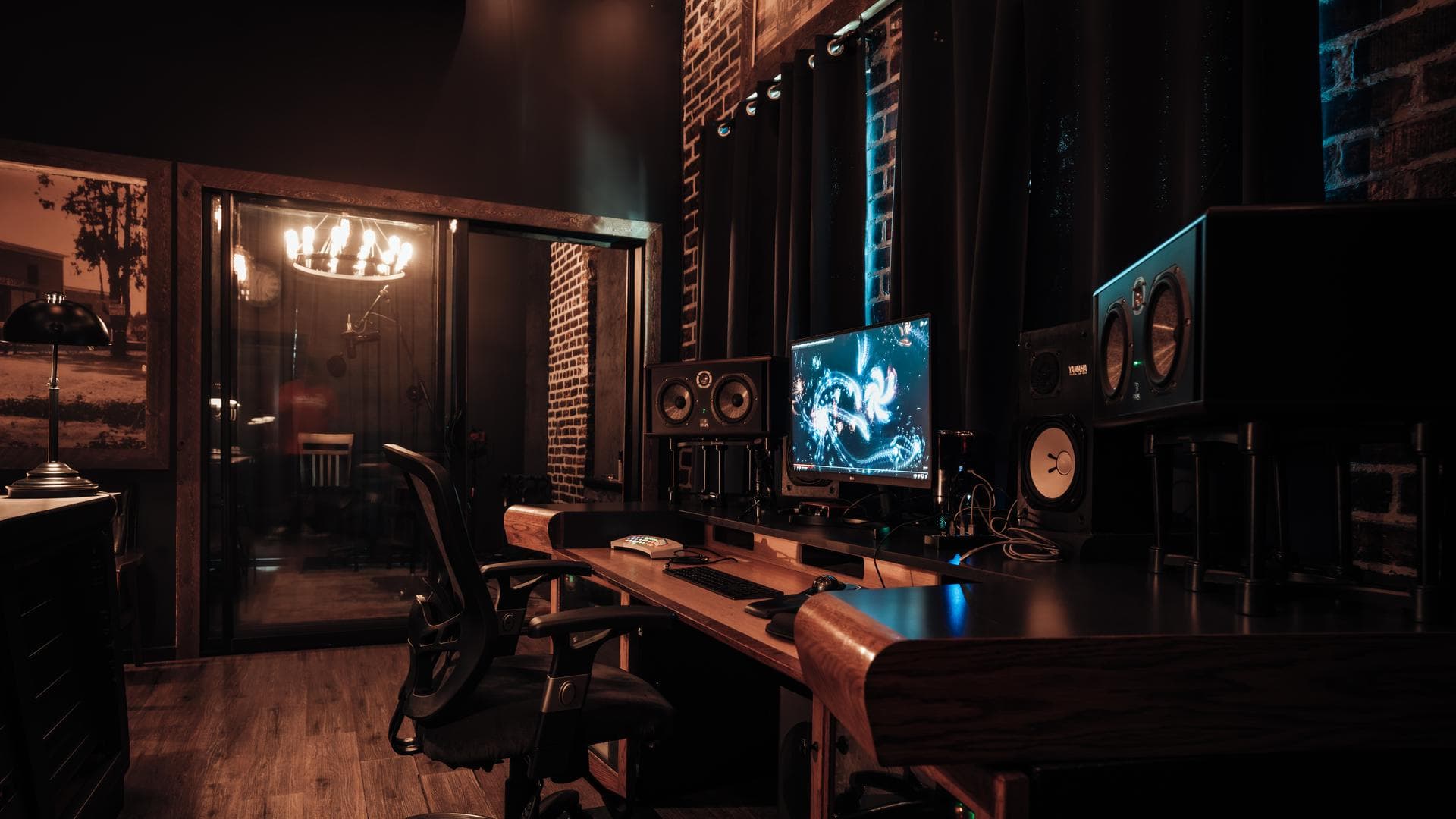
Most studios tier their gear. The good chain lives in the A room at the A room price, and the budget rooms get the leftovers. Weddington Studios does the opposite. The Vault at $20 an hour runs the same Neve 1073LB and Tube-Tech CL1B as the Phantom at $30. The rooms differ in microphone, monitoring, and vibe, never in the chain. The complete room-by-room specs live on the full equipment list.
What changes between rooms is worth knowing. The Phantom carries the Sony C800G, the bright, forward mic behind the modern rap vocal sound (we broke down why that mic matters), while the other three rooms run the Neumann U87, warm and flattering on melodic vocals. For the full tour, see the gear in every room. When you are ready, book a room: a deposit holds any of the four, and nothing is charged until the studio confirms your session by text.
Quick answers
Do I pay extra to use the Neve 1073 and Tube-Tech CL1B?+
No. The chain is standard in every room at every rate, from the Vault at $20 an hour to the Phantom and the Weddington at $30. There is no gear fee and no tier system.
Will the chain make my vocals sound processed?+
No. Handled well, the 1073 and CL1B read as polish, not effects. Your vocal comes out fuller and more controlled, but it still sounds like you.
What is the difference between the rooms if the chain is the same?+
The microphone, the monitors, and the vibe. The Phantom carries the Sony C800G, the other three rooms run the Neumann U87, and each room has its own look and feel.
Do I need an engineer to record through the chain?+
You can request a house engineer when you book, starting at $25 an hour. Either way, the chain is part of every session in every room, at no extra charge.