Where to Mix Your Song in LA: A Mixing Room in North Hollywood
Weddington Studios · July 31, 2026
Recording gets the glamour, but mixing is where your song gets decided. Mixing is also where budgets quietly die in LA, because a real mix takes hours, and most rooms worth mixing in charge rates that make hour four feel like a luxury. That is the exact problem the Brick Room solves.
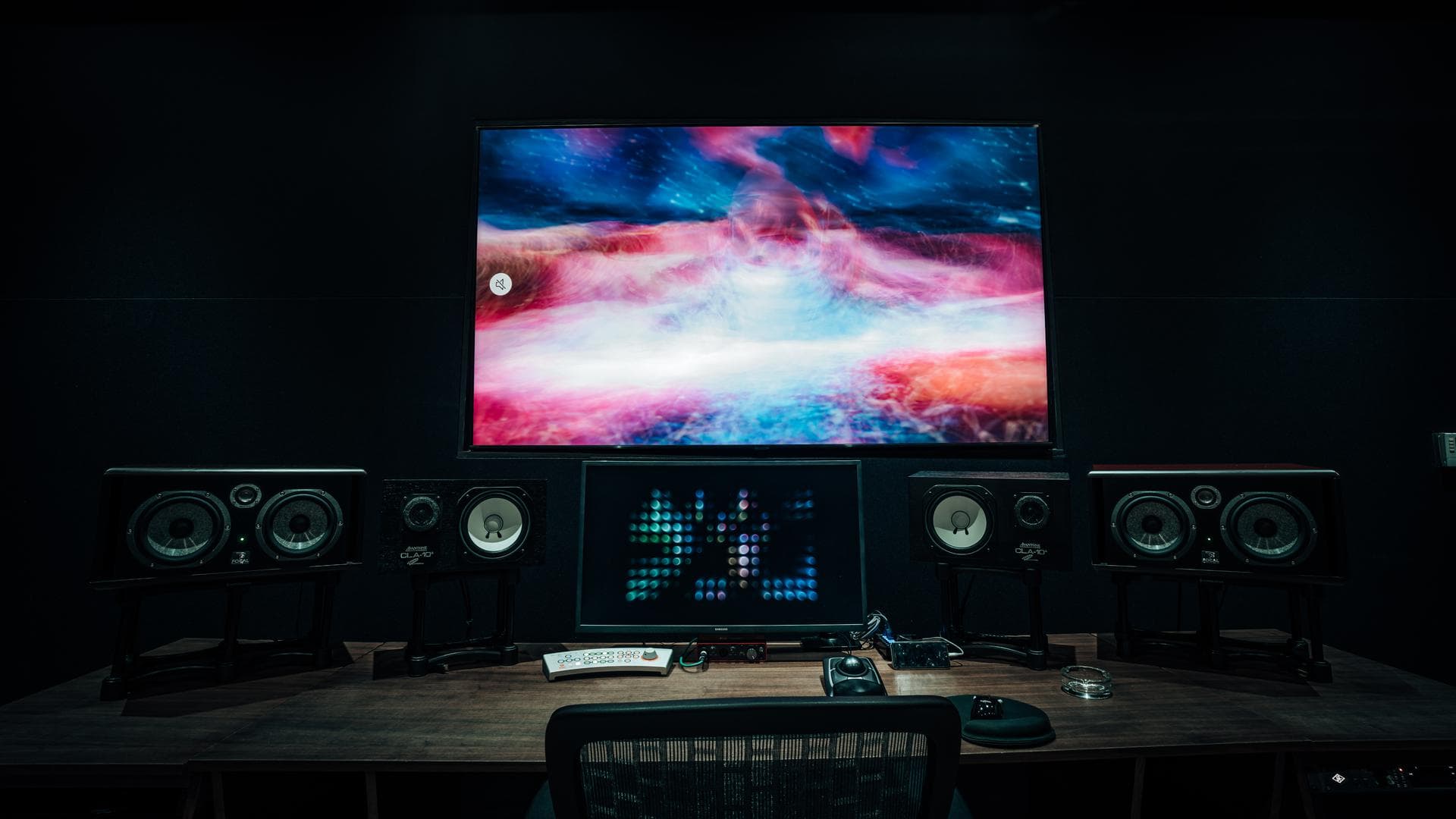
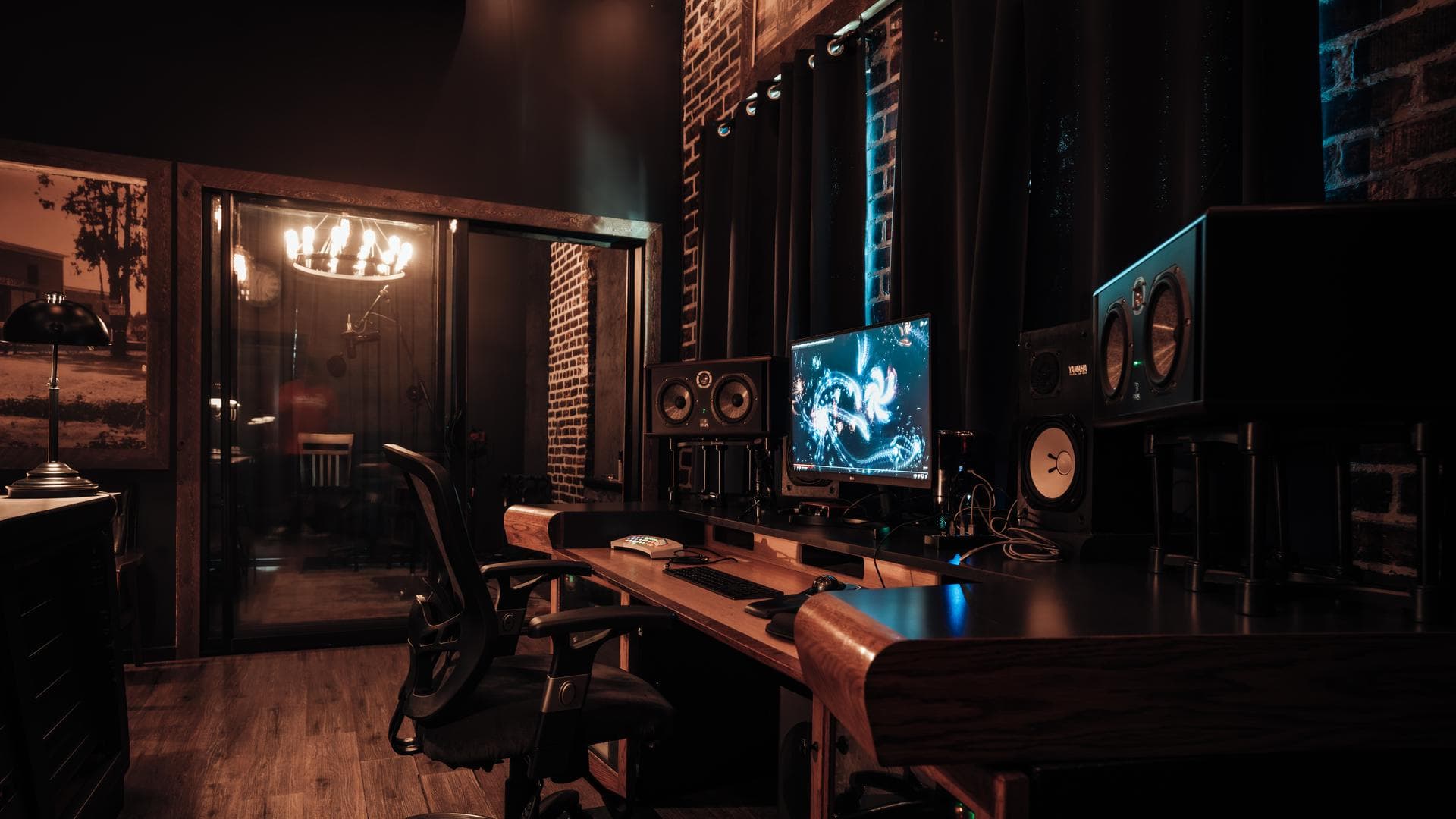
It is the clients' favorite mixing room at Weddington Studios in North Hollywood, and not by accident. Dual JBL monitor pairs, a Dangerous Music D-Box, treated exposed brick, and a $25 an hour rate that lets you buy the time a mix actually needs. Here is why the room works, and how to show up ready for it.
Two Sets of Monitors, One Honest Mix
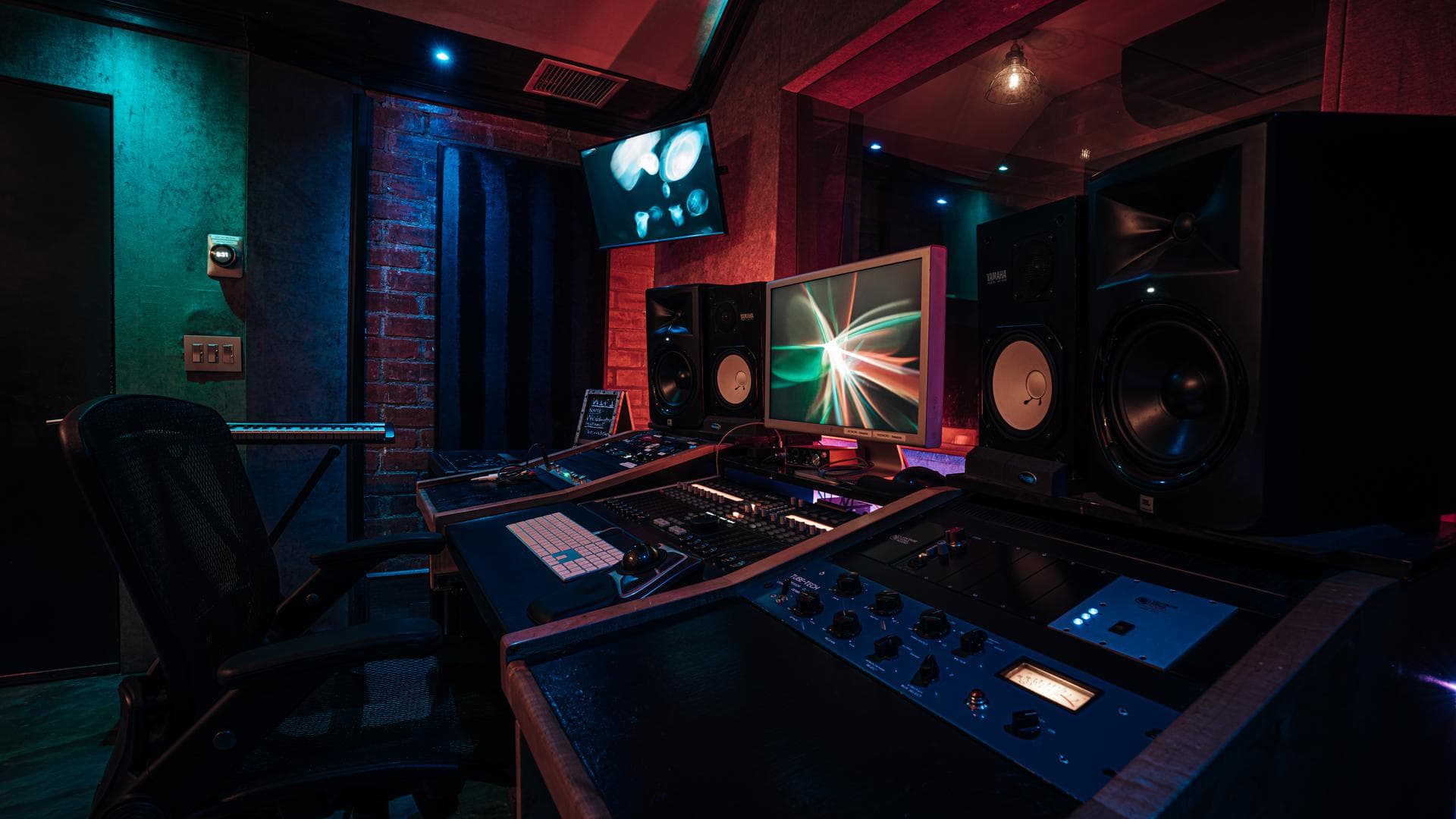
The Brick Room runs two pairs of JBL monitors, the 305s and the 308s, and that pairing is the point. The 308s give you the fuller low end, so you can hear what the 808s and the kick are actually doing down there. The 305s tell you the truth about your midrange, the zone where vocals, snares, and melodies fight for space.
Cross-referencing between two pairs is how experienced mixers catch translation problems before the car test does. A mix that only sounds right on one set of speakers is not finished. Flipping between the 305s and 308s every few passes keeps your balances honest, so the song holds up on earbuds, in the whip, and on a big system, not just in the room where you made it.
The Dangerous D-Box: Switching That Tells the Truth
Between those two pairs sits a Dangerous Music D-Box, and if you have never mixed through proper monitor control, this is where the room earns its reputation. The D-Box flips between monitor pairs instantly and at matched levels, which matters because louder always sounds better. Level-matched switching removes that lie: when the 308s sound bigger than the 305s, you know it is your low end talking, not just volume.
It also gives you a clean, serious monitoring path out of the room's UAD Apollo 8, so what you hear is your mix and not a chain of consumer volume knobs coloring your decisions. Small thing on paper. Enormous across an 8-hour mix day.
Treated Brick, Built for Long Hours
Exposed brick looks incredible on camera and usually sounds terrible, all flutter and harsh reflections. The Brick Room's brick is treated, so you get the character without the chaos: a room that photographs like a loft and behaves like a mix room.
The red and teal wash on the walls is not just for the photos either. Mixing is a stamina game, and a room you enjoy sitting in for six hours produces better decisions at hour five than a sterile box does. Comfort is an audio tool. Nobody mixes well while counting the minutes.
Vocal Touch-Ups Without Breaking the Session
Here is the mid-mix moment every artist knows: the mix reveals a flat note, a weak double, an ad-lib that needs replacing. In most mix situations that means booking a separate vocal session somewhere else, then re-delivering stems. In the Brick Room you just punch it in, because the room carries the same recording chain the rest of the studio runs: a Neumann U87 into a Neve 1073LB preamp into a Tube-Tech CL1B tube compressor.
That is the same warm, detailed U87 sound we run studio-wide (we broke the signal path down in the million dollar vocal chain), backed by Auto-Tune Unlimited, Melodyne, and VocAlign from the plugin suite on our equipment list, so you can tune and align the fix on the spot. And if a mix reveals that the lead vocal itself deserves a premium recut, the Phantom and its Sony C800G are steps away in the same building.
The Math: $25 an Hour Buys Real Mixing Time
A serious mix takes hours. Static balance, automation passes, vocal rides, effects decisions, revisions, and honest breaks for your ears. When the room costs a fortune you rush all of it, and rushed mixing is how good recordings end up sounding like demos.
The Brick Room is $25 an hour, or $170 for an 8-hour block, held with a simple deposit. A full, unhurried mix day here costs less than a single hour in LA's premium rooms, and requesting a house engineer, with rates from $25 an hour, is still cheap insurance. Booking is request-to-book on the booking page: request the time, we confirm fast by text, and nothing is charged until it is approved.
How to Prep Your Session for a Mix Day
The best money you spend on a mix is the free hour you spend preparing. Show up with these and your first paid hour goes to mixing instead of file forensics:
- Consolidated stems: export every track from bar 1, beat 1, at the session's sample rate, clearly labeled (Lead Vox, Double L, 808, not Audio 14_dup3).
- A rough mix bounce: even a phone-speaker rough tells the mixer what you love about the current balance.
- Two or three reference tracks: songs whose vocal level, low end, or overall attitude you want yours to sit near.
- BPM and key: written down, not remembered.
- Notes: the two or three things that bother you most about the rough, in plain language. "Vocal feels buried in the hook" is a great note.
- A clean session: if you are bringing a Pro Tools session instead of stems, delete unused tracks and playlists first. Every room here runs Pro Tools 2024, so a native session opens without drama.
Quick answers
Where can I mix my song in Los Angeles without spending a fortune?+
The Brick Room at Weddington Studios in North Hollywood runs $25 an hour or $170 for an 8-hour block, with a deposit to hold the date. It carries dual JBL monitor pairs and a Dangerous Music D-Box, and it is the clients' favorite mixing room in the building.
How long does it take to mix a song?+
Plan on at least three to five focused hours for a single, more if the session is messy or the vocal production is dense. An 8-hour block gives you room to mix, rest your ears, and revise in one day.
Can I record vocals during a mix session in the Brick Room?+
Yes. The room has a Neumann U87 running through a Neve 1073LB preamp and a Tube-Tech CL1B compressor, so you can fix a flat line or recut a double in the middle of the mix without booking a second session.
What should I bring to a mixing session?+
Labeled stems exported from bar 1, a rough mix bounce, two or three reference tracks, and short notes on what bothers you about the current version. If you bring a Pro Tools session instead of stems, clean out unused tracks first.