How to Run a Writing Camp in Los Angeles
Weddington Studios · August 8, 2026
A writing camp is simple math: put more writers, producers, and artists in more rooms for a few days, and more records come out than any of them would have made alone. Labels run them before album cycles, publishers run them to stack cuts, and independent teams run them because three focused days beat three scattered months.
The format looks easy from the outside. The difference between a camp that produces twelve songs and one that produces three usually comes down to logistics: the rooms, the rotation, and the hours. Here is how the good ones run, and how to host one at Weddington Studios.
What a camp actually is
The classic shape: two to four rooms running at once, each with a producer or track guy, with topliners and artists rotating between them every few hours. Day one everyone is polite. Day two the competitive energy kicks in, hooks start traveling between rooms, and the best song of the camp is usually born from two rooms trading ideas.
Camps run from a single day to a full week. Most land at two or three days, long enough for chemistry to form and short enough that nobody burns out.
Why one roof beats scattered studios
You can technically run a camp across studios spread around the city. People do it, and they spend half the camp in cars. The moment a topliner needs to jump on a beat cooking in another room, a hallway walk beats a crosstown drive every single time.
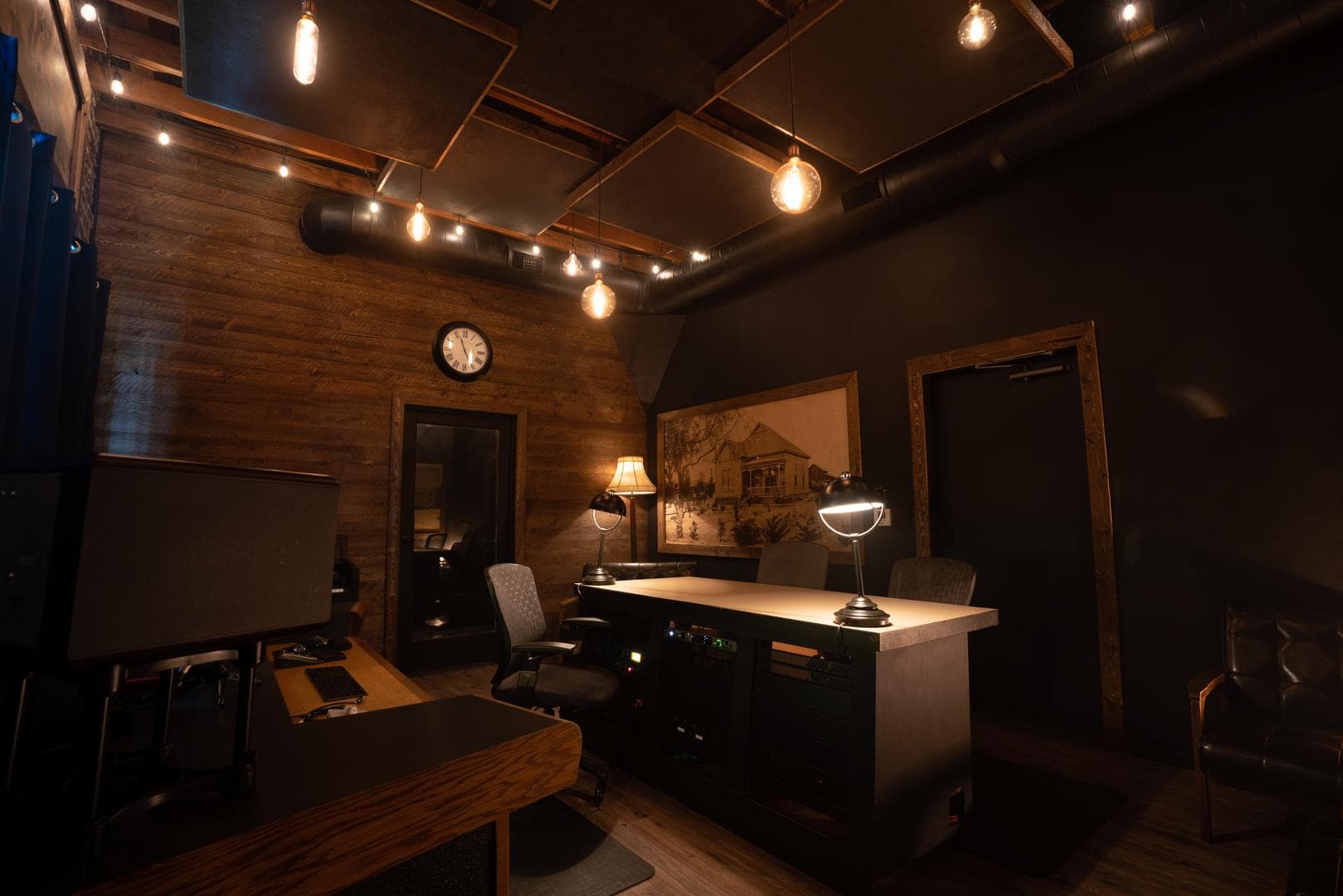
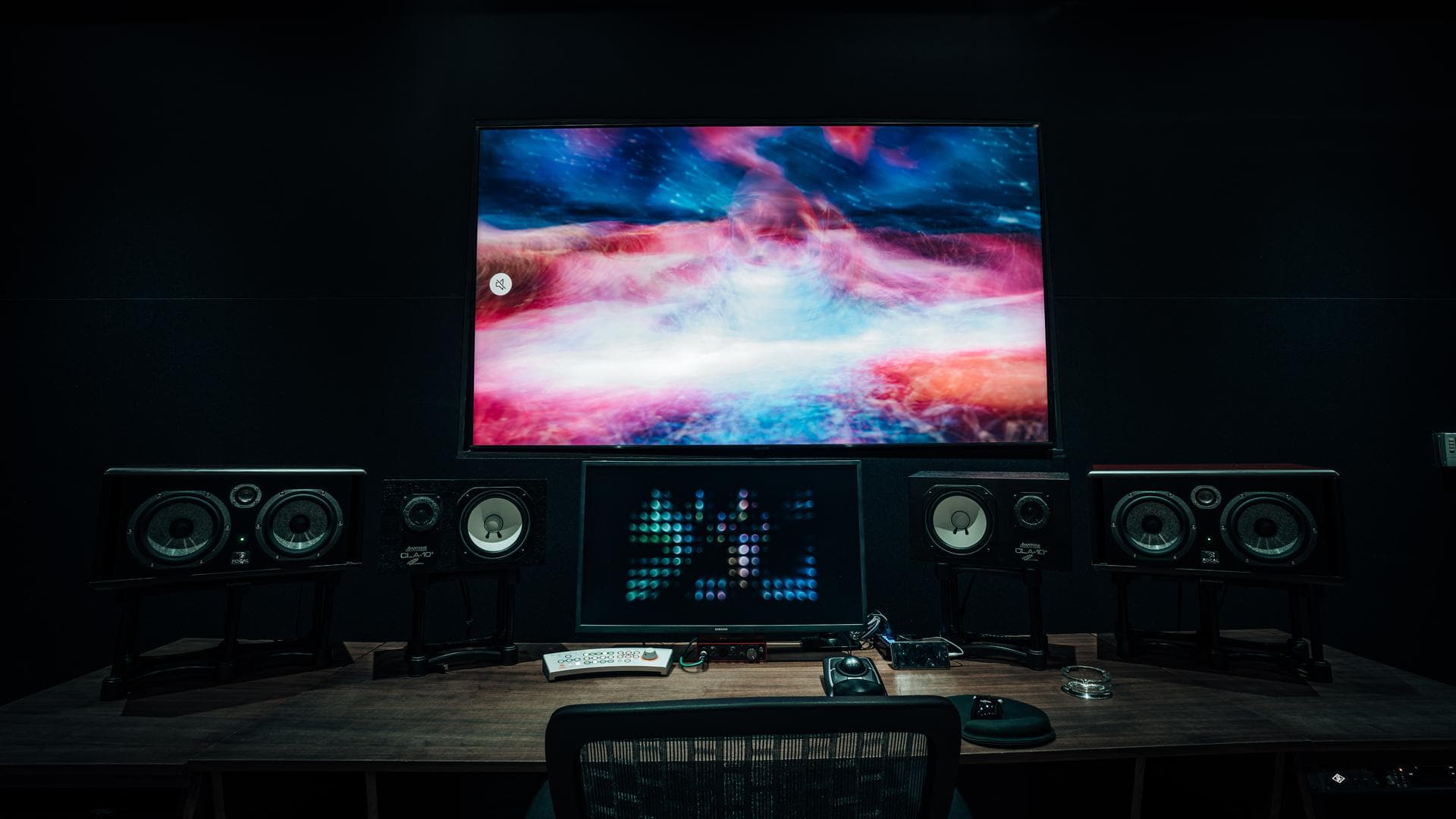
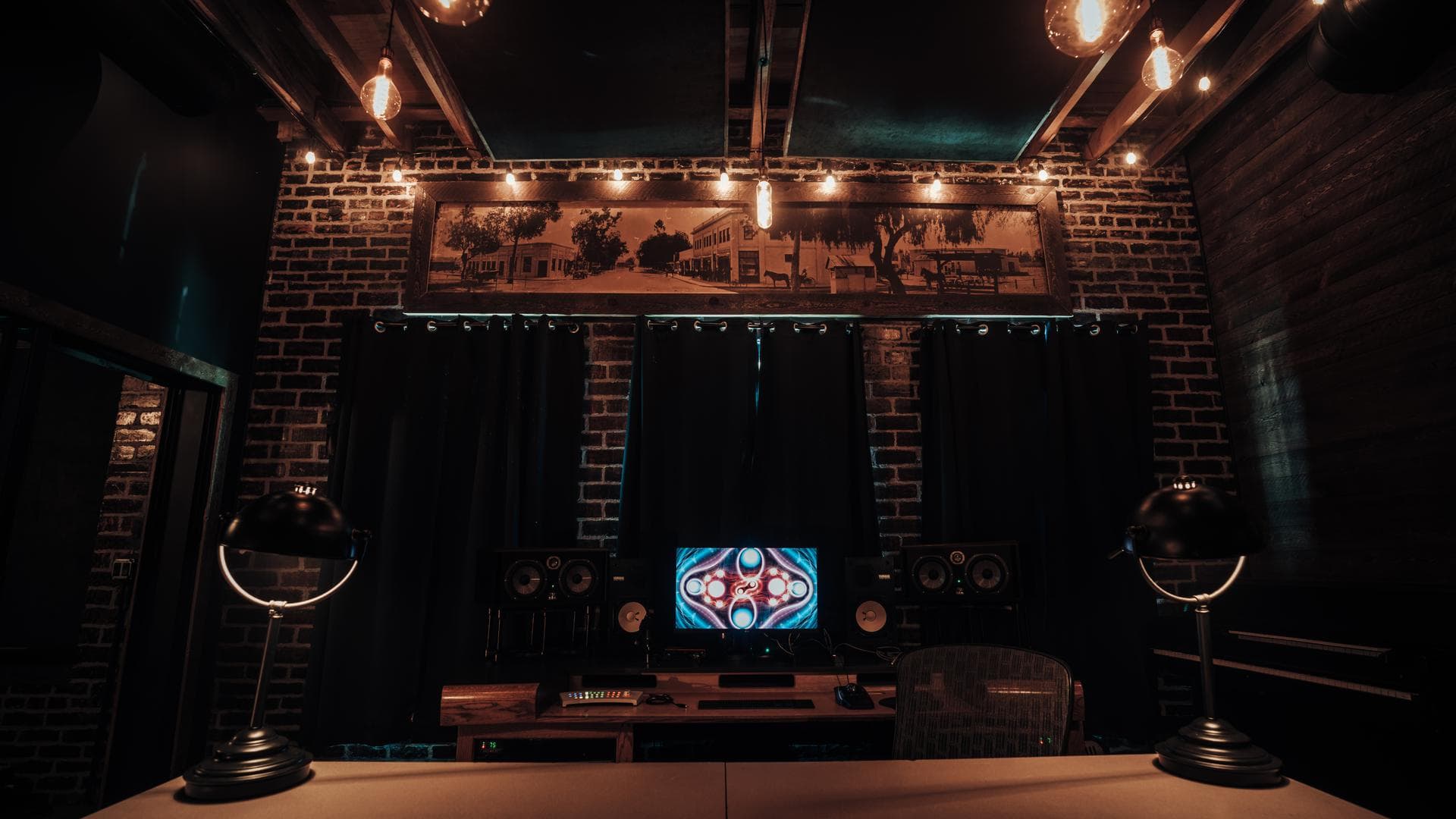
Identical rooms matter almost as much as close rooms. When every station runs the same chain and the same plugin suite, sessions open anywhere, stems bounce between rooms without translation problems, and no producer gets stuck on the room with the weird setup. At Weddington Studios, all four rooms run a Neve 1073 into a Tube-Tech CL1B with Pro Tools 2024 and the full suite: same sound in every station, different vibe in every room.
Structuring the days
The camps that produce treat the schedule like a session, not a party. A shape that works: rooms open and tracks start from scratch or from pack ideas in the early block, topliners rotate on a loose two to three hour cycle through the afternoon, and evenings run long on whatever caught fire. Somebody, usually an A&R or the camp organizer, keeps a running list of what got cut where so nothing dies on a hard drive.
Feed people, and feed them close. The NoHo Arts District puts real food a short walk from the door, which keeps breaks at twenty minutes instead of ninety. And because the studio is open 24 hours with staff always on site, the night rooms can run as late as the songs demand while the morning crew sleeps.
- Assign each room a producer as its anchor; rotate writers, not equipment
- Cycle topliners every 2 to 3 hours; forced rotation beats waiting for magic
- Keep one person tracking the song list across rooms, with rough bounces same day
- Book engineers per room so every station can cut vocals the moment an idea lands
What it costs to host one
Scattered-session math adds up fast: multiple studios, multiple minimums, multiple engineers at separate day rates. A single-roof camp gets quoted as one package. At Weddington, rooms start at $20 an hour and multi-room, multi-day lockouts are priced custom as one number, with house engineers available per room from $25 an hour on request.
For a serious two or three day camp with all four rooms, that math lands dramatically below what four separate LA studios would bill, and everyone stays under the same roof where the actual magic of a camp happens. Send the details through the camp inquiry page and the studio comes back with a real quote, usually the same day.
The Weddington camp setup
Four stations: the Phantom and the Weddington both on a Sony C800G, one for premium vocals and one for the songwriters, the Brick Room mixing and referencing as records finish, and the Vault cutting demos and content all day at the entry rate. The lounge holds the overflow conversations where half the placements actually get decided, every crew member gets a named parking spot, and staff is in the building around the clock.
Whether it is a label camp, a publisher run, or five friends splitting the bill to stack songs for a project, the building works the same way. Bring the people; the rooms are ready.
Quick answers
How many people fit in a writing camp at Weddington Studios?+
Four rooms run comfortably with two to four people each, plus the lounge for rotation and overflow. Camps of eight to sixteen people are the sweet spot.
Do writing camps need to book all four rooms?+
No. Camps are quoted custom from one room to all four, for a day up to a week. The inquiry form takes your dates and headcount and the studio builds the package.
Can a writing camp run overnight?+
Yes. The studio is open 24 hours with staff always on site, so camp rooms can run around the clock.